How to Troubleshoot Espresso Machine Problems (Step-by-Step)
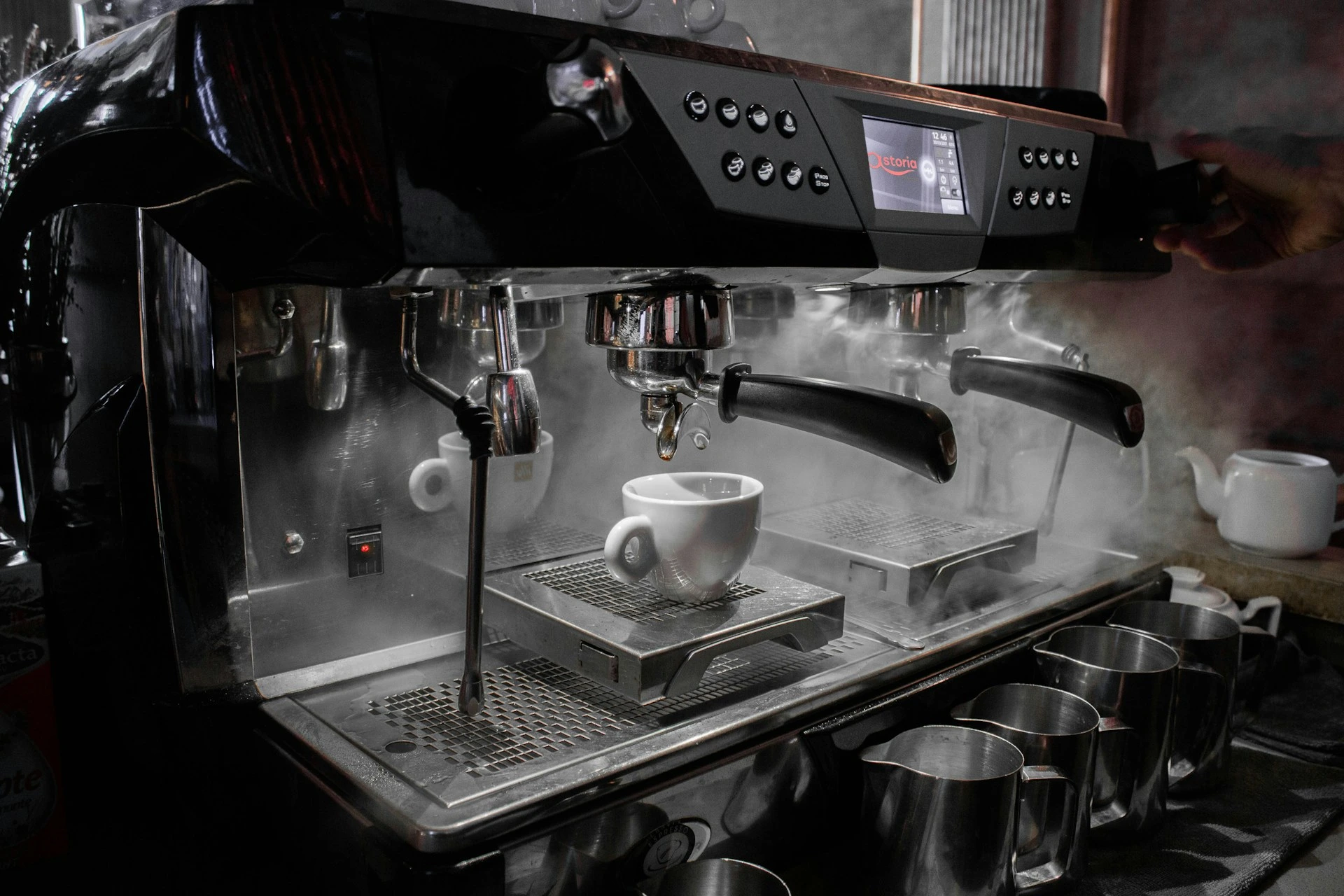
Espresso machines feel “mysterious” because they combine electricity, heat, pressure, and very small passages that can clog. The reality is simpler: most everyday failures come from the same few categories - water supply issues, scale buildup, coffee-oil buildup, temperature/steam problems, or basic wear parts like gaskets and steam tips. This guide is designed as a practical decision tree: start with the symptom, test one variable at a time, and stop when you hit a safety limit.
Quick Picks
Use this like a checklist. Start with the fast answer, then jump to your exact symptom.
-
Fast Answer: the fastest diagnostic path
↓ Jump to Section -
Expert Sources: official cleaning + maintenance guides
↓ Jump to Section -
Safety First: what you should not DIY
↓ Jump to Section -
No Water / Very Slow Flow: group head troubleshooting
↓ Jump to Section -
Weak / Sour / Bitter Espresso: “taste problems” vs machine problems
↓ Jump to Section -
Steam Problems: weak steam, water spray, blocked tip
↓ Jump to Section -
Leaks: portafilter leaks, drip tray overflow, water under machine
↓ Jump to Section -
Error Lights / No Heat: reset logic and when to service
↓ Jump to Section -
Maintenance Plan: prevent problems before they appear
↓ Jump to Section
Fast Answer: The 3-Minute Espresso Machine Diagnostic
If you want the shortest path to “what’s wrong,” run these checks in order. They solve most home issues without tools.
- 1) Power + water: is the machine on, is the tank full, and is the tank seated correctly?
- 2) Test flow without coffee: remove the portafilter and run the pump for 10–15 seconds. If water flows, your machine is probably fine — your basket/grind/dose is the bottleneck.
- 3) If flow is weak: purge airlocks (pump cycles with pauses), then clean the basket + shower screen. If you live in hard water and haven’t descaled in months, descale next.
- 4) Steam weak or spitting water: confirm steam mode is ready, purge the wand for 2–3 seconds, then clean the steam tip holes.
- 5) Leaks: portafilter leaks are usually gasket or “not locked fully.” Leaks under the machine can be internal — treat them as a stop-and-service moment.
The main rule: change one variable, test again, then move forward. Randomly changing three things creates the illusion of “the machine is cursed.”
Expert Sources (Worth Bookmarking)
- Breville: how to perform a clear-water backflush - the simplest “daily reset” for coffee oils.
- La Marzocco: the definitive way to backflush - explains why backflushing matters and how to do it properly.
- Urnex: Dezcal descaling powder instructions - a reliable reference for scale removal basics.
- Gaggia Classic E24 manual (PDF) - a good example of model-specific cleaning + safety language.
- James Hoffmann: beginner’s guide to coffee machine maintenance - practical maintenance logic (what actually matters).
Safety First: What Not to DIY
Espresso machines contain live electricity, hot metal, and pressurized water/steam. Your goal is to troubleshoot safely, not to “win” against the machine.
- Unplug before inspection: if you need to remove parts, open panels, or clean inside the group head, unplug first.
- Let it cool: boilers, group heads, and steam circuits can burn you even after the machine is off.
- Do not open pressurized parts: boiler fittings, safety valves, and internal hoses are not “casual DIY.”
- Stop immediately if you smell burning, see smoke, or the machine trips the breaker.
- Internal leaks near wiring are a service issue. Water + electricity is not a hobby.
Problem 1: No Water (or Very Little Water) From the Group Head
If the brew button is pressed and you get nothing (or only a few drops), there are only a few realistic causes: the machine cannot draw water, the pump is blocked/airlocked, or the coffee path is clogged. Diagnose in this order.
Step 1: Check the water tank and inlet
- Tank is filled above minimum and seated fully (some machines won’t draw water if the tank isn’t “clicked in”).
- The intake valve is not blocked by debris (tiny scale flakes can do this).
- If plumbed-in: check the inlet line for kinks and confirm the supply valve is open.
Step 2: Run the pump with no coffee
Remove the portafilter and run a brew cycle into a cup. This is the fastest “machine vs coffee” split:
- Water flows normally: the machine is fine — your basket is clogged or your grind/dose is too restrictive.
- No / weak water flow: continue to airlock + blockage checks.
Step 3: Clear airlocks (common after a dry tank)
If the machine ran dry, was transported, or the tank was removed for cleaning, air can enter the circuit. Symptoms: a loud pump, little flow, and gradual improvement when you cycle.
- Fill the tank fully.
- Run the pump 15–20 seconds, then pause 10 seconds (don’t overheat the pump).
- Repeat 2–4 times. If flow improves gradually, you likely had an airlock.
Step 4: Clean the basket, shower screen, and group area
Coffee oils and fines clog metal holes. If your machine has a removable shower screen, remove it and clean both the screen and the cavity behind it.
- Basket test: hold the basket against a light source. If many holes are blocked, soak and brush.
- Backflush-capable machines: a clear-water backflush can remove loose oils and help restore flow.
- Portafilter spouts: older spouted portafilters can clog internally — soak and scrub.
Step 5: Consider scale buildup (especially in hard-water areas)
Scale does not usually “kill” the machine overnight — it slowly restricts passages and weakens heating efficiency. If flow and steam have gradually declined over months, descaling (per your manual) is the next logical step. If descaling doesn’t restore basic function, stop guessing and consider professional service.
Problem 2: Weak, Sour, or Bitter Espresso
This section matters because many people think the machine is “broken” when the real issue is extraction. If water flows normally without coffee, your machine is likely doing its job. Taste issues are usually grind, dose, ratio, or temperature habits.
Weak / watery espresso (runs fast)
- First check: is the grind too coarse or the basket under-dosed? Fast flow is almost always grind/dose.
- Second check: are you using a pressurized basket with very fresh coffee? Pressurized baskets can hide problems, but they also cap potential.
- Machine-side check: if the machine is not fully warmed up, brew water may be cooler than expected, making shots taste thin.
Sour / sharp espresso (under-extracted)
- Most likely cause: shot ran too fast (grind too coarse) or you stopped too early.
- Technique check: uneven distribution can cause channeling — you get both “fast” and “under-extracted” flavors.
- Temperature check: on machines with adjustable temperature, confirm you didn’t accidentally set it low.
Bitter / dry / harsh espresso (over-extracted or overheated)
- Most likely cause: grind too fine or shot ran too long for the coffee.
- Single boiler habit: if the machine sits in an overheated state, flush a little water before brewing to stabilize.
- Old coffee oils: a dirty group head can add bitterness that feels “mysterious.” Backflush/clean and retest.
If you want a clean, repeatable way to fix taste issues, use a dial-in workflow: lock dose and ratio, adjust grind to hit a time window, then adjust yield by taste. Taste problems are frustrating when you change five variables at once — they become simple when you isolate one variable per shot.
Problem 3: Low or No Steam Pressure
Weak steam makes microfoam impossible. The good news is that steam problems are usually caused by user workflow or simple blockages — not “a dead machine.”
Step 1: Confirm steam mode is actually ready
- Single boiler machines need time to reach steam temperature. If you start too early, you’ll get water + weak steam.
- Thermoblock machines may be faster, but they still need the correct mode selection.
Step 2: Purge condensation
Always purge for 2–3 seconds into an empty jug before steaming milk. This clears water sitting in the wand and gives you dry steam.
Step 3: Clean the steam tip and wand
- Blocked holes: dried milk narrows the holes and kills steam power.
- Basic fix: soak the tip, then clear holes carefully (don’t enlarge them).
- Routine: wipe immediately after steaming and purge again. This prevents the problem from returning.
Step 4: Scale-related steam decline
If steam power slowly fades over months and you also see slower brew flow, scale is a likely contributor. Descale per your manufacturer’s instructions and retest. If the boiler never reaches steam temperature after descaling, a thermostat/sensor/heating element fault is possible — that is usually professional service territory.
Problem 4: Leaks Around the Portafilter, Drip Tray, or Under the Machine
Most leaks are solvable, but not all leaks are equally safe. Treat internal leaks seriously.
Leak around the portafilter (group head area)
- Lock-in: make sure the portafilter is fully locked. A partial lock can spray and look like a seal failure.
- Group gasket: if the rubber gasket is flattened, cracked, or dirty, it won’t seal. Clean it first; replace if worn (it’s a common consumable).
- Overfilled basket: too much coffee can prevent proper sealing and can imprint the shower screen, causing leakage.
Water in the drip tray
Some water in the tray can be normal, especially on machines with a three-way valve (it dumps pressure and some water after the shot). Excess pooling usually means you’re overdue for cleaning, the tray is mis-seated, or a return path is blocked.
Water under the machine
If water appears under the machine, treat it as a red flag. It can be a tank seal, a cracked hose, or a loose internal connection. If you cannot clearly identify a harmless external cause, stop using the machine and arrange service.
Problem 5: Warning Lights, Error Codes, or No Heat
Error indicators are machine-specific, but the troubleshooting logic is similar: confirm basic conditions, then follow the manual’s sequence. Don’t “force reset” codes unless the manufacturer explicitly supports it.
Step 1: Read the manual for the exact code
- Codes often indicate simple conditions: empty tank, tray not inserted, descaling required, or overheating protection.
- The manual also tells you when the machine requires service — believe it.
Step 2: Confirm basic conditions
- Tank full and seated, tray inserted, brew/steam modes correct, warm-up completed.
- If the machine has a filter or water softener, confirm it isn’t installed incorrectly (some systems can block flow when misfit).
Step 3: Descale or run the cleaning cycle when prompted
Maintenance lights are not random. If your machine asks for descaling or cleaning, do it — then re-test performance. Use a machine-safe descaler and follow the manufacturer dosage and rinse steps. Over-strong solutions can damage seals.
Step 4: No heat / lukewarm brew water
If the machine powers on but never heats, and basic resets/descaling do not help, the likely causes are sensors, thermostats, heating elements, or control boards. Those are not “guessing” repairs — a technician can test continuity and replace parts safely.
Maintenance Plan (Prevents Most Problems)
Espresso machines are like cars: they work best with routine maintenance, not emergency repairs. A simple schedule prevents 80% of “my machine is acting weird” moments.
After every session (1–2 minutes)
- Flush the group head briefly to remove loose grounds.
- Rinse and wipe the basket and portafilter.
- If you steamed milk: wipe the wand immediately and purge again.
Weekly
- Clean the drip tray and water tank (biofilm happens).
- Remove and clean the shower screen if your machine allows it.
- Backflush (water-only) if your machine supports it (three-way valve machines).
Monthly (or based on use)
- Detergent backflush (where supported) to remove coffee oils.
- Inspect the group gasket and replace if leaking or hardened.
- Deep clean steam tip if steaming daily.
Every 1–3 months (water-dependent)
- Descale when required by your water hardness and your manufacturer’s recommendation.
- If you have hard water, consider filtered/softened water to reduce scale and keep temperature stable.
Recommended Espresso Maintenance Kit (1 Practical Buy)
If you want one “fix most problems” purchase, choose a kit that covers both categories of buildup: coffee oils (needs detergent) and limescale (needs descaling). This Urnex care kit combines Cafiza (oil cleaner) and Dezcal (scale remover), which makes it easier to follow a consistent cleaning routine.

FAQ
How do I know if it’s scale or something else?
Scale problems usually build slowly: flow and steam get weaker over weeks or months. Sudden failures (burning smell, breaker trips, sudden dead heating) are less likely to be “just scale” and should be treated as service issues.
How often should I descale my espresso machine?
It depends on your water hardness and how much you use the machine. If you use hard tap water daily, you may need descaling every 4–8 weeks. With filtered/softened water, you may go much longer. Your best rule is: follow your manual first, but don’t ignore clear performance decline.
My pump is loud — does that mean it’s dying?
Not always. A loud vibration pump with low flow often means the machine is running dry, the tank isn’t seated, or there’s an airlock. Test flow without coffee and try clearing airlocks before assuming failure.
Should I use vinegar to descale?
Most manufacturers advise against vinegar because it can leave lingering odor/taste and may be harsher on seals. Use a coffee-machine descaler and follow the dosage and rinse steps in your manual.
Bottom Line
Most espresso machine problems are predictable and fixable if you troubleshoot systematically: confirm water supply, test flow without coffee, clean the coffee path, then address scale. Use steam hygiene to avoid blockages, replace wear parts like gaskets when they leak, and treat internal leaks or electrical smells as “stop and service.” A simple maintenance schedule prevents most emergencies — and keeps your espresso tasting better.