How to Clean and Descale Your Espresso Machine (Step-by-Step Guide)
Last updated: December 12, 2025
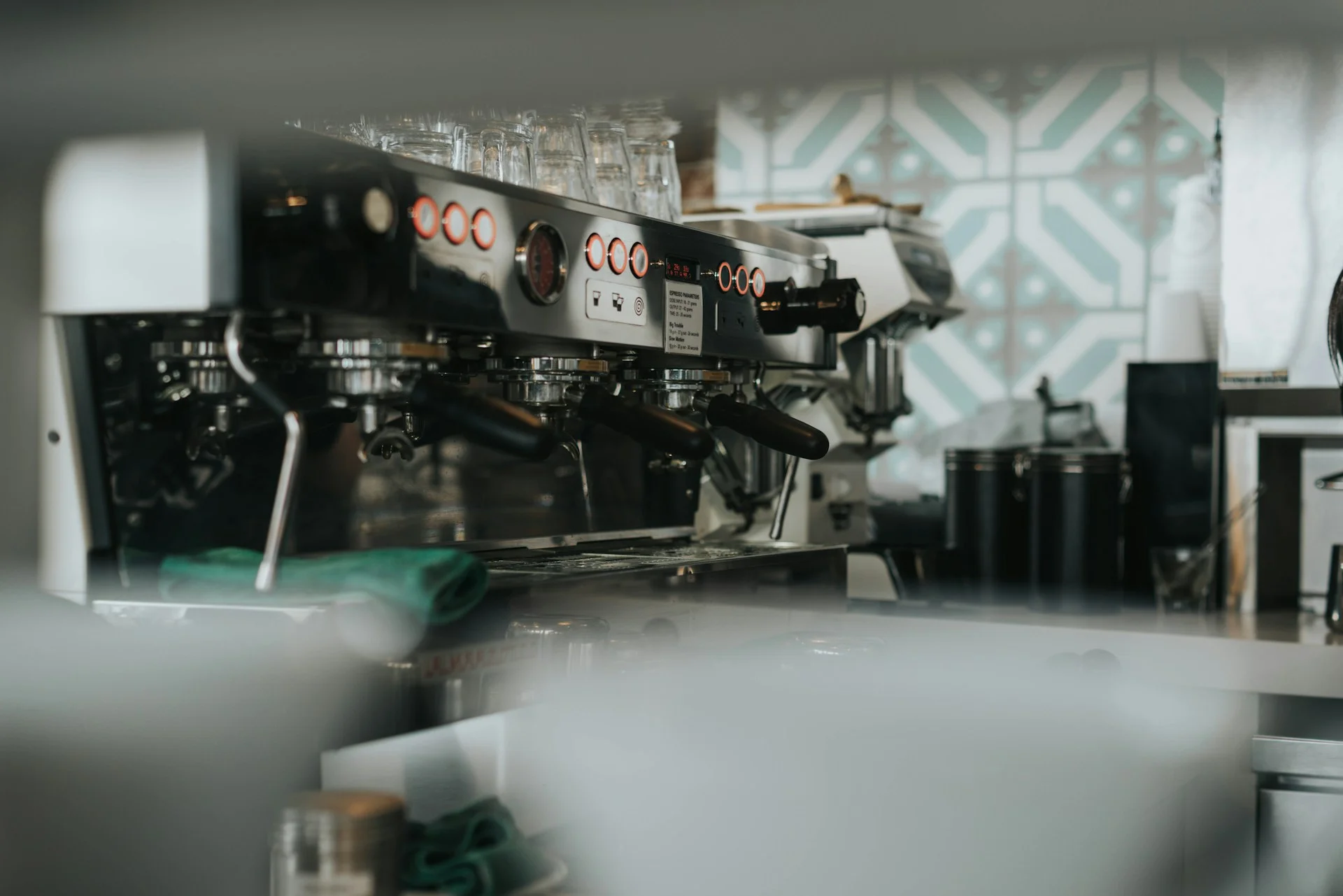
Even the best espresso machine will start producing dull, bitter, or sour shots if it is not cleaned regularly. Coffee oils, fine particles, and mineral deposits build up inside the machine, slowly affecting flavor and, in the worst cases, damaging internal components.
The good news: you do not need to be a technician to maintain your machine properly. With a simple daily routine and periodic descaling, you can keep your espresso tasting clean and protect your investment for years. This guide breaks the process down into clear, practical steps for most home machines.
Why Cleaning and Descaling Matter
Cleaning and descaling are two different tasks, and both are essential:
- Cleaning removes coffee oils, grounds, and milk residue from the parts you see and touch.
- Descaling removes mineral buildup (limescale) inside the boiler, pipes, and internal water paths.
Neglecting either will eventually cause problems: off flavors, inconsistent pressure, slow water flow, temperature instability, and, over time, expensive repairs.
Step 1: Know Your Machine Type and Its Needs
Before you start, it is important to understand what kind of machine you own. The basic maintenance principles are similar, but a few details differ.
Semi-automatic machines
These use a portafilter and group head. They often allow backflushing with a blind basket and cleaning detergent. You will manually clean the portafilter, baskets, and steam wand.
Super-automatic (bean-to-cup) machines
These grind, dose, and brew for you. They usually have a removable brew group and built-in rinse/cleaning programs. Descaling is often done via menu prompts and special descaling cycles.
Manual / lever and portable machines
These require more hands-on rinsing and occasional disassembly but are mechanically simpler. You will mostly clean the brew chamber, basket, and seals.
Capsule machines
Capsule machines are the easiest to clean externally but still need descaling through dedicated programs or button sequences, and regular rinsing of the spouts and drip tray.
Always read your user manual first. If the manufacturer specifies particular cleaning agents or forbids certain chemicals, follow those instructions strictly.
Daily Cleaning Routine (Takes 5–10 Minutes)
A short daily routine prevents most visible buildup and makes deeper cleans much easier. The exact steps differ slightly by machine type, but the principles are the same.
After each brewing session
1. Flush the group head or brew spout
Run water through the group head (semi-automatic) or start a short water-only cycle (super-automatic or capsule machine). This pushes out remaining coffee particles from the last shot.
2. Knock out and rinse the portafilter or basket
For machines with a portafilter, knock the puck into a knock box or bin, then rinse the basket and portafilter under hot water. Wipe away visible coffee oils with a soft cloth or brush.
3. Clean the steam wand immediately
Milk burns onto the wand very quickly. After each use:
- Purge steam for 1–2 seconds to blow out milk from the tip.
- Wipe the wand with a damp cloth while it is still warm.
- If milk has dried on the wand, soak just the tip in warm water for a few minutes and wipe clean.
At the end of the day
- Empty and rinse the drip tray.
- Rinse or lightly wash the water tank and refill with fresh water.
- Wipe the exterior of the machine with a soft, slightly damp cloth.
- For super-automatics, run any built-in rinse program if available.
Weekly Cleaning Routine
Weekly maintenance focuses on removing coffee oils and residue that daily rinsing cannot fully handle.
1. Clean the group head and shower screen
On semi-automatic machines, lock in a blind basket (or cleaning disc) with a small amount of espresso cleaning powder if your manufacturer allows it. Run a backflush cycle according to the instructions, then rinse thoroughly.
2. Soak portafilter and baskets
Remove baskets from the portafilter and soak them in warm water with a small amount of espresso cleaner. Rinse well and dry before reassembling.
3. Clean removable parts on super-automatic machines
Remove the brew group (if your machine allows it) and rinse under lukewarm water. Clean the coffee grounds container, drip tray, and any removable milk system parts with mild detergent and water.
4. Check gaskets and seals
Wipe around the group head gasket and other rubber seals with a soft cloth. Look for cracks or deformation; worn gaskets can cause leaks and should be replaced.
How to Descale Your Espresso Machine (Step-by-Step)
Descaling removes mineral deposits caused by hard water. The ideal frequency depends on your water hardness and usage, but a common range is every 1–3 months for regular home use.
Always use a descaling product that your manufacturer approves or one formulated for espresso machines. Avoid strong household acids or homemade mixtures unless the manual explicitly allows them.
Descaling steps (general guideline)
Step 1: Prepare the machine
- Turn off the machine and let it cool slightly if it has just been used.
- Remove any water filters from the tank if the manual instructs you to do so.
- Empty the drip tray and grounds container.
Step 2: Mix the descaling solution
Fill the water tank with fresh water and the recommended amount of descaling product. Follow the concentration and volume instructions on the packaging or in your manual.
Step 3: Run the descaling cycle
If your machine has a dedicated descaling program, start it and follow the prompts. If not:
- Run water through the brew circuit in several short cycles.
- On machines with a steam boiler, run some solution through the steam wand as well.
- Pause between cycles to let the solution sit inside the machine and dissolve scale.
Step 4: Rinse thoroughly
When the solution tank is empty, rinse the water tank, fill it with fresh water, and run multiple full tanks of clean water through the brew and steam paths. Any remaining descaler can affect taste, so do not rush this step.
Common Cleaning and Descaling Mistakes
1. Using harsh or unapproved chemicals
Strong household cleaners or abrasive pads can damage finishes, seals, and internal components. Use only cleaners made for coffee equipment or those explicitly recommended in the manual.
2. Neglecting the steam wand
Dried milk inside the steam wand can be difficult to remove and can eventually block steam completely. Cleaning it immediately after use is far easier than trying to restore a clogged wand.
3. Descaling too rarely
Waiting until the machine shows visible symptoms (very slow flow, loud pump, unstable temperature) often means scale is already heavy. It is safer to descale on a schedule based on your water hardness.
4. Descaling without rinsing enough
Residual descaler can affect flavor and, in high concentrations, be unsafe to drink. Always flush more clean water through the machine than you think is necessary.
5. Forgetting about water quality
Very hard water will scale any machine quickly. If your manufacturer allows it, using filtered or moderately softened water can reduce the frequency of descaling and improve taste.
Simple Maintenance Checklist
- After every session: flush the group or spout, clean the steam wand, empty the puck, wipe spills.
- Daily: empty and rinse the drip tray, refresh the water in the tank.
- Weekly: clean the group head and shower screen (where applicable), soak portafilter and baskets, clean removable parts.
- Every 1–3 months: descale according to water hardness and manufacturer instructions.
- Regularly: inspect gaskets and seals, and replace them when worn.
With a consistent routine, cleaning and descaling become simple habits instead of stressful repair jobs. Your espresso will taste better, your machine will last longer, and you will spend more time enjoying coffee instead of troubleshooting it.